Maximizing Semaglutide Efficacy: How Much Bacteriostatic Water to Mix with 2mg of Semaglutide
Semaglutide has emerged as a groundbreaking medication in the realm of weight management and diabetes control. Its popularity has surged due to its proven efficacy and minimal side effects when properly prepared and administered. A critical aspect of using semaglutide safely and effectively lies in understanding the precise process of dilution, particularly how much bacteriostatic water to mix with an initial 2mg dose. This comprehensive guide aims to provide in-depth information that benefits both healthcare professionals, nutritionists, and individuals aiming to optimize their treatment.
Understanding Semaglutide: An Overview of the Medication
Semaglutide is a synthetic analog of human glucagon-like peptide-1 (GLP-1), which plays a vital role in regulating blood sugar levels, appetite, and insulin secretion. Its origin traces back to a series of biological advancements, positioning it as a potent option in managing type 2 diabetes and facilitating weight loss. This peptide mimics the body's natural hormones, stimulating insulin production, reducing glucagon secretion, and promoting satiety, thereby assisting individuals in accelerating metabolic health.
Why Proper Dilution Matters
The effectiveness and safety of semaglutide hinge on correct preparation. Improper dilution can lead to inaccurate dosing, diminished efficacy, or adverse side effects. This makes understanding how to properly mix 2mg of semaglutide with bacteriostatic water essential for both practitioners and individuals using the medication at home. Proper dilution ensures consistency in dosing, optimal absorption, and overall therapeutic success.
Role of Bacteriostatic Water in Semaglutide Preparation
The term bacteriostatic water refers to sterile water infused with a preservative, typically benzyl alcohol, that inhibits bacterial growth. It is crucial for diluting medications like semaglutide because it maintains the sterility of the solution over time, allowing for multiple doses from a single vial without significant risk of contamination or infection. Using bacteriostatic water ensures the stability of the peptide and supports safe self-administration.
How to Calculate the Correct Volume of Bacteriostatic Water for 2mg Semaglutide
When determining how much bacteriostatic water to mix with 2mg of semaglutide, several factors come into play. The primary goal is to dilute the medication to a concentration that allows accurate, easy dosing—commonly at 0.1mg or 0.25mg per injection. Here's a detailed step-by-step process to guide you through:
Step 1: Understanding the Vial Content and Concentration
- Typically, a 2mg vial of semaglutide is supplied as a lyophilized powder.
- This powder must be reconstituted with bacteriostatic water to create a injectable solution.
- The total volume of water added directly impacts the final concentration of the drug per unit measurement.
Step 2: Deciding the Desired Dose per Injection
- Common dosing strategies include administering 0.25mg, 0.5mg, or 1.0mg per injection, depending on the treatment plan and medical guidance.
- For precise and manageable injections, most users opt for a concentration where 1 unit on an insulin syringe equals 0.01mL, allowing accurate dose measurement.
Step 3: Calculating the Volume of Bacteriostatic Water
For a 2mg vial, an effective dilution might be to add 1.0mL to 2.0mL of bacteriostatic water, creating a concentration of 1mg/mL or 0.2mg per 0.2mL. This allows for straightforward dosing at various increments. For example, mixing with 1.0mL of bacteriostatic water results in:
- 1mg of semaglutide per 1mL solution.
- 0.1mg per 0.1mL (which aligns with 10 units on a standard insulin syringe).
Step 4: Precise Measurement and Reconstitution
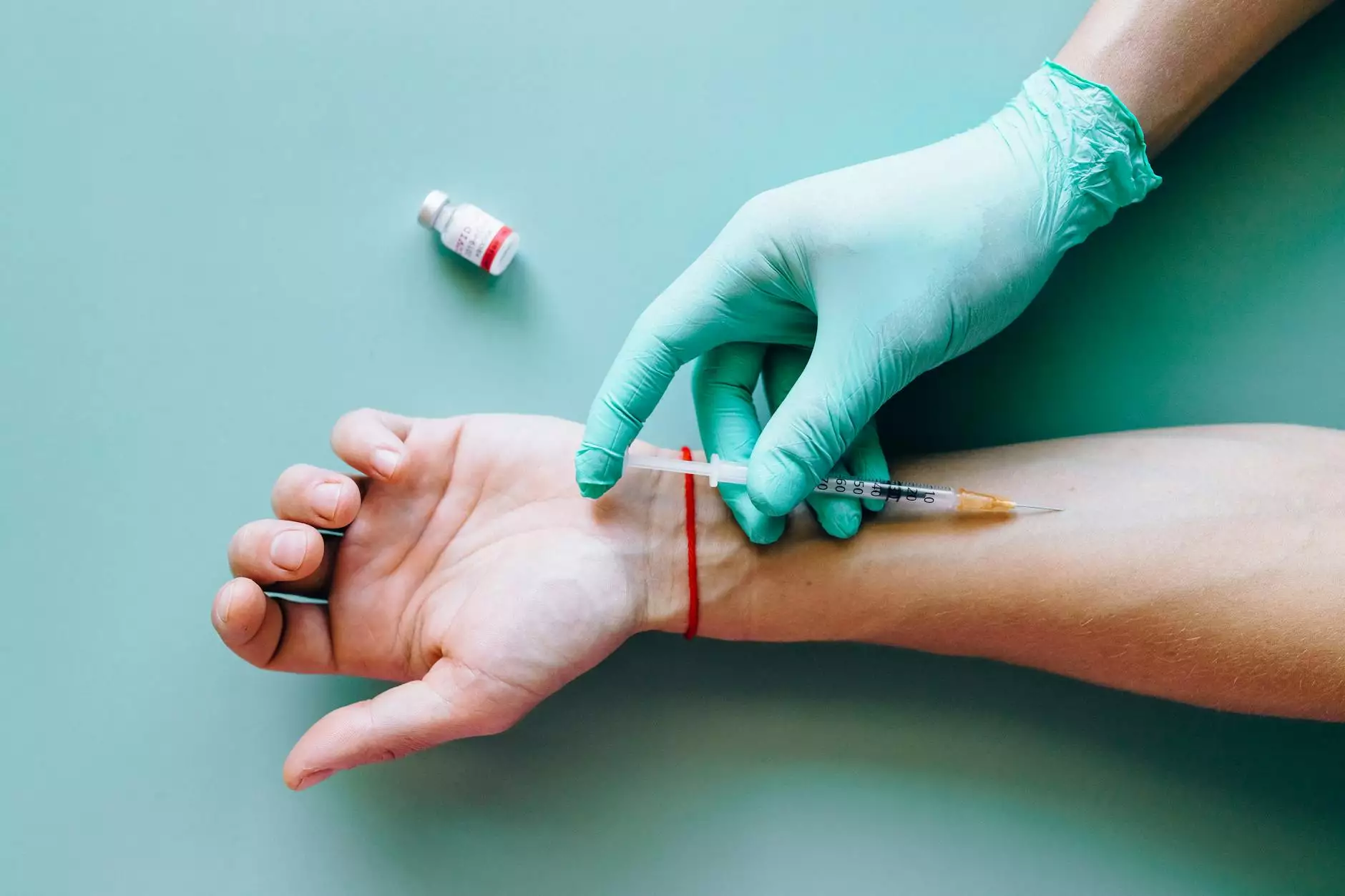
Always use a graduated syringe or a sterile syringe with fine measurements to ensure accurate volume measurement. Follow these steps:
- Disinfect the vial septum carefully.
- Draw the exact desired amount of bacteriostatic water using a sterile syringe.
- Inject the water gently into the vial containing the lyophilized semaglutide powder.
- Swirl gently until the powder dissolves completely—avoid shaking vigorously.
Safety Considerations and Tips for Proper Dilution
When preparing semaglutide, adhere to the following safety guidelines:
- Use sterile techniques at all times to prevent contamination.
- Always calculate the correct volume before drawing from the vial.
- Keep the vial refrigerated after reconstitution and handle with clean hands.
- Do not reuse needles or syringes to avoid contamination.
- Consult healthcare professionals if unsure about dosing or preparation procedures.
How Proper Dilution Enhances Treatment Outcomes
Precise dilution directly correlates with better patient outcomes. It ensures your dose is delivered accurately, reducing side effects such as nausea or hypoglycemia due to accidental over- or under-dosing. Correct dilution also maintains the stability of semaglutide, ensuring potency is retained over the duration of use.
Insights from Nutritionists and Pharmacists on Semaglutide Usage
Nutritionists emphasize that alongside proper medication prep, a balanced diet and lifestyle changes amplify the benefits of semaglutide. They recommend integrating nutritional guidance and regular physical activity for optimal results.
Pharmacists stress the importance of following manufacturer instructions and consulting healthcare providers before reconstitution. They highlight that correct dilution not only influences drug efficacy but also minimizes risks of adverse reactions.
Frequently Asked Questions (FAQs)
Q1: Can I dilute semaglutide myself at home?
Yes, with proper sterilization techniques and accurate measurement tools, individuals can prepare their doses at home. However, it is highly advisable to consult a healthcare professional first.
Q2: How long is the reconstituted semaglutide stable?
Generally, once mixed with bacteriostatic water, semaglutide remains stable for up to 28 days when stored in a refrigerator. Always check manufacturer guidelines for specific stability durations.
Q3: What are the risks of improper dilution?
Risks include incorrect dosing, reduced drug efficacy, increased side effects, or potential contamination. Always measure carefully and adhere to sterile procedures.
Summary: The Optimal Approach to Mixing 2mg of Semaglutide
Effectively maximizing your semaglutide treatment requires precise dilution, understanding of proper calculation, and adherence to safety principles. As a general guideline, mixing 1.0mL of bacteriostatic water with 2mg of semaglutide typically yields a manageable concentration of 1mg/mL, allowing flexible dosing options tailored to individual needs.
While self-preparation is possible, partnering with healthcare professionals, nutritionists, and pharmacists results in a safer, more effective treatment outcome. Proper knowledge and meticulous preparation elevate the benefits of semaglutide, helping you achieve your health goals consistently and confidently.
Enhance Your Business by Providing Quality Content and Support
For businesses like skinny-quick.net, offering detailed, high-quality content on topics such as drug preparation, nutrition advice, and pharmacy guidance establishes authority in the field. Building trust through expert insights, accurate information, and client-centric education fosters customer loyalty and elevates your position in search engine rankings.
Key Takeaways:
- Accurate dilution is critical for safety and efficacy.
- Mixing 1.0mL of bacteriostatic water with 2mg of semaglutide is a common, effective approach.
- Consult medical professionals before self-preparing medication doses.
- Proper storage and handling preserve the medication’s potency.
- Integrate nutritional guidance for enhanced health outcomes.
By understanding the nuanced details of semaglutide dilution and combining this knowledge with expert advice, users can optimize their treatment and support their journey towards improved health and wellness.