Understanding the Hysterectomy Procedure Options: A Complete Guide by Leading Obstetricians & Gynecologists
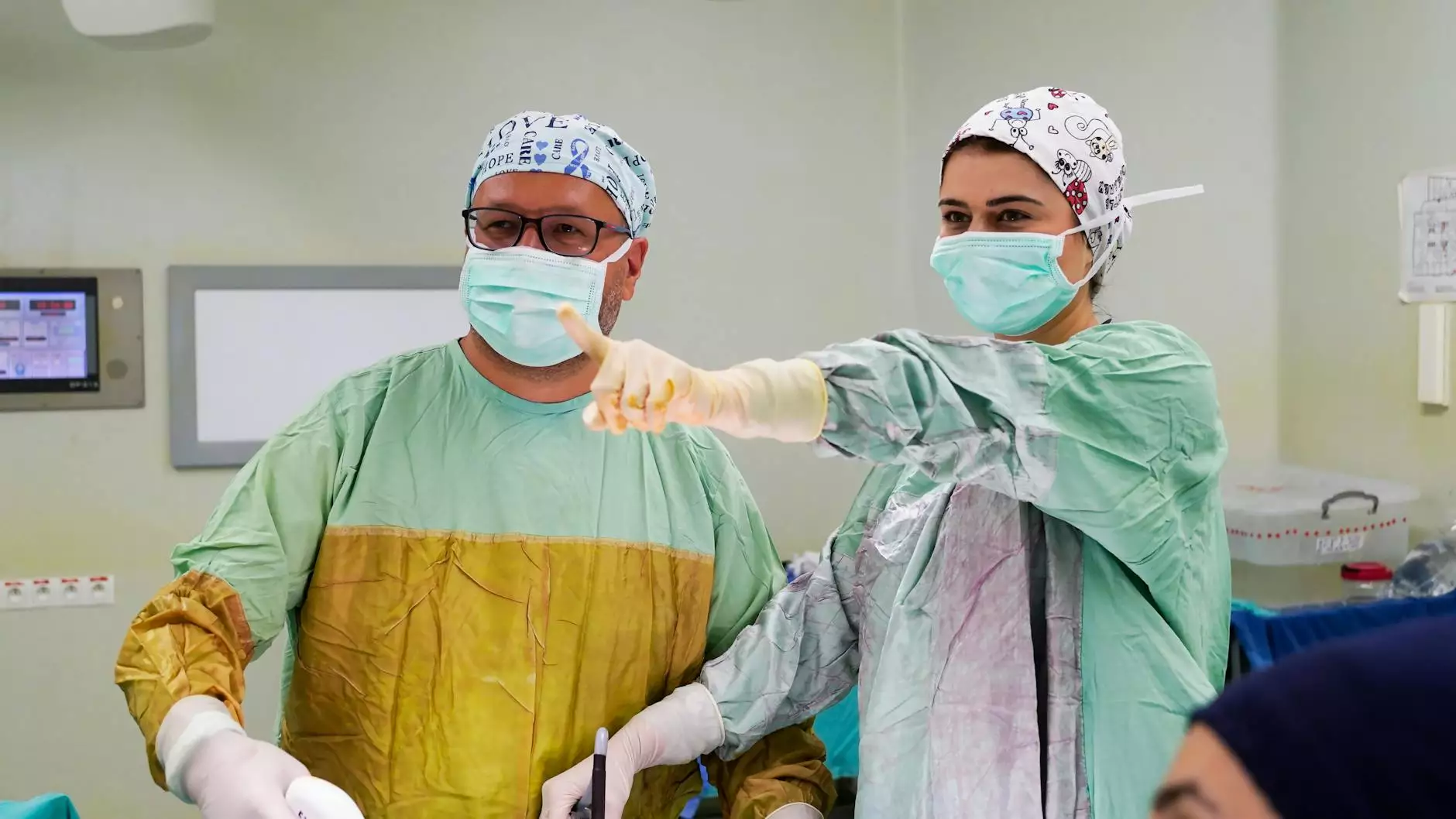
In the realm of women's health, few surgical interventions are as significant and impactful as a hysterectomy. This procedure involves the removal of the uterus and sometimes other reproductive organs, primarily performed to address a range of gynecological issues such as abnormal bleeding, fibroids, endometriosis, or certain cancers. Given the array of hysterectomy procedure options available, patients must be well-informed to make decisions aligned with their health goals, lifestyle, and medical needs. At Dr. Seckin, renowned obstetricians and gynecologists specialize in personalized, cutting-edge gynecological care, guiding women through this critical health journey with expertise and compassion.
What Is a Hysterectomy? An Essential Overview
A hysterectomy is a surgical procedure to remove the uterus, and in certain cases, surrounding tissues such as the cervix, ovaries, and fallopian tubes. This surgery is often recommended when other treatment modalities have failed, or when the woman's health is at risk due to conditions like uterine fibroids, heavy menstrual bleeding, endometriosis, or malignancies. Despite being common, it is a major surgical decision that requires thorough understanding and planning.
The Different Hysterectomy Procedure Options: An In-Depth Exploration
Understanding the various hysterectomy procedure options is essential for patients to weigh the benefits, risks, recovery times, and impact on their quality of life. The choice depends on factors such as the underlying condition, patient's anatomy, age, desire for future pregnancies, and overall health. Here are the most prevalent methods:
1. Total Hysterectomy
This procedure involves the removal of the entire uterus and cervix. It is often indicated for conditions involving the cervix or when the pathological issues affect the entire uterus. It can be performed via different surgical approaches, which will be discussed further below.
2. Subtotal or Supracervical Hysterectomy
In this procedure, only the uterus body is removed, leaving the cervix intact. This option may be suitable for women who wish to preserve their cervix for certain reasons, such as maintaining sexual function or reducing surgical risks. However, it is vital to understand that cervical pathology may still develop, necessitating continued cervical screening.
3. Radical Hysterectomy
This is a more extensive surgery usually performed to treat certain types of gynecological cancers. It includes removal of the uterus, cervix, part of the vagina, and surrounding tissues, including lymph nodes. The procedure is complex and highly specialized, often conducted in specialized centers.
4. Minimally Invasive vs. Open Hysterectomy
The surgical approach significantly influences recovery time, complication rates, and overall patient experience. These approaches include:
- Laparoscopic Hysterectomy: Performed through small incisions using a camera-guided laparoscope. Offers faster recovery, less pain, and minimal scarring.
- Vaginal Hysterectomy: Complete removal of the uterus through an incision made in the vagina. Often preferred for benign conditions, with minimal recovery time.
- Robotic-Assisted Hysterectomy: Utilizes robotic technology to enhance precision, flexibility, and control, suitable for complex cases.
- Abdominal (Open) Hysterectomy: Involves a larger incision in the abdomen, often necessary for very large uteri or extensive disease. Recovery may take longer but provides maximum surgical access.
Choosing the Right Hysterectomy Procedure Options: Factors to Consider
Deciding on the best surgical approach requires comprehensive assessment. Factors influencing this decision include:
- Underlying Condition: The nature and extent of the gynecological issue.
- Size of the Uterus: Larger uteri may necessitate open or robotic approaches.
- Desire for Future Pregnancy: Typically, hysterectomy is permanent; fertility preservation is not an option post-procedure.
- Patient’s Overall Health: Certain health conditions may favor minimally invasive techniques.
- Surgeon’s Expertise and Facility Capabilities: Access to advanced surgical technology influences approach options.
Benefits & Risks of Different Hysterectomy Procedure Options
Advantages of Minimally Invasive Techniques
Minimally invasive methods like laparoscopic and robotic hysterectomy offer numerous benefits:
- Reduced postoperative pain
- Shorter hospital stay
- Faster return to daily activities
- Minimal scarring
- Lower risk of infection
Potential Risks & Complications
All surgical procedures carry inherent risks, which include:
- Bleeding
- Infection
- Damage to surrounding organs
- Blood clots
- Early or delayed recovery complications
Thus, selecting the appropriate hysterectomy procedure options involves balancing these benefits and risks against individual health factors and surgical expertise.
Postoperative Care & Recovery: What to Expect
Recovery varies depending on the surgical approach and individual health status. Generally, patients can expect:
- Hospital stay: Ranges from outpatient to several days
- Pain management: Mild to moderate discomfort managed with medications
- Activity restrictions: Lifting limitations and gradual return to normal activities
- Follow-up appointments: Critical to monitor healing and address any concerns
Most women regain normal activities within 2-4 weeks after minimally invasive surgeries, but full recovery may take longer in open procedures.
Innovations & Future Trends in Hysterectomy Procedures
The field of gynecological surgery continues to evolve with advancements such as:
- Nerve-sparing techniques: Reduce the risk of bladder and bowel dysfunction
- Enhanced robotic surgery systems: Improve precision and outcomes
- Single-incision laparoscopic surgery: Minimize scarring further
- Fertility-preserving options: Emerging surgeries aim to treat conditions without removing the uterus when possible
Choosing a Trusted Specialist for Your Hysterectomy
It is crucial to select a surgeon with extensive experience in various hysterectomy procedure options to ensure personalized care, safety, and optimal outcomes. At Dr. Seckin, our team of top-rated obstetricians and gynecologists offer comprehensive consultation, state-of-the-art surgical techniques, and empathetic patient support throughout your health journey.
Final Thoughts: Empowered Decision-Making in Women's Healthcare
Understanding the diversity of hysterectomy procedure options empowers women to make informed choices aligned with their health goals, lifestyle, and future aspirations. Advances in surgical technology and expert care have significantly enhanced safety, recovery, and outcomes. Whether opting for minimally invasive techniques or more extensive surgeries, consulting with specialized obstetricians and gynecologists like those at Dr. Seckin ensures personalized, compassionate, and effective treatment tailored to individual needs.
Remember, your health is your most valuable asset, and making informed, confident decisions about your gynecological health can profoundly improve your quality of life and well-being.