Comprehensive Guide to Bilateral Salpingo-Oophorectomy Surgery: Expertise by Leading Obstetricians & Gynecologists
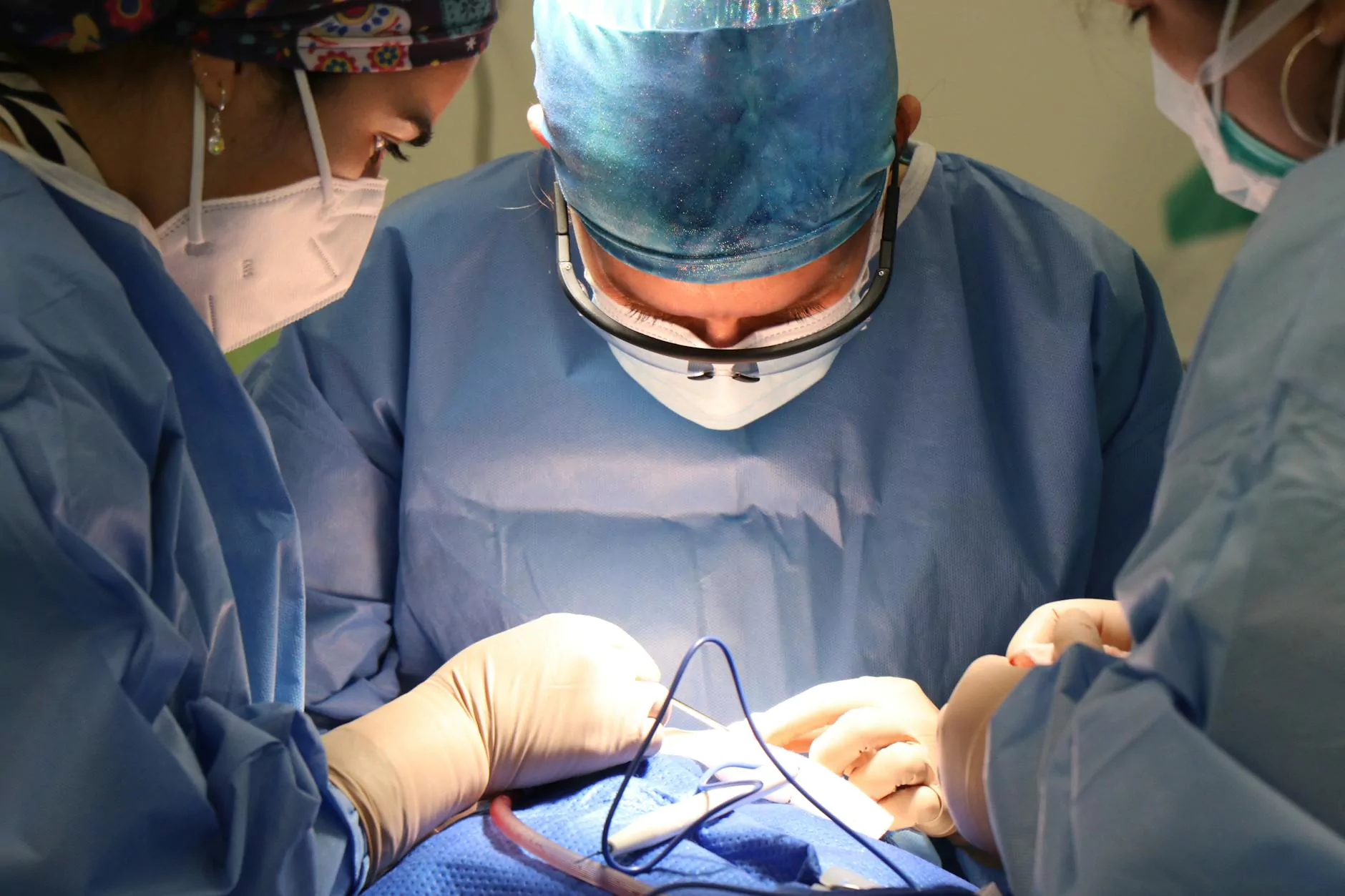
In the realm of women’s health, understanding complex surgical procedures is essential for informed decision-making and optimal care. Among these procedures, bilateral salpingo-oophorectomy (BSO) surgery stands out as a significant intervention used for various medical reasons, including cancer prevention, benign ovarian conditions, and other gynecological concerns. This extensive guide aims to provide a detailed overview of bilateral salpingo-oophorectomy surgery, emphasizing the importance of choosing experienced obstetricians & gynecologists and understanding the latest advancements in the field.
What Is Bilateral Salpingo-Oophorectomy Surgery?
Bilateral salpingo-oophorectomy is a surgical procedure involving the removal of both ovaries and fallopian tubes. The term breaks down as follows:
- Bilateral: Both sides
- Salpingo: Fallopian tubes
- Oophorectomy: Ovaries removal
This procedure is performed for various medical indications, including high cancer risk, benign ovarian tumors, endometriosis, or as part of a hysterectomy. It is often considered a definitive treatment in cases where risk reduction for ovarian or fallopian tube cancers is paramount.
Indications for Bilateral Salpingo-Oophorectomy Surgery
Understanding the reasons for bilateral salpingo-oophorectomy surgery can help patients and healthcare professionals assess its necessity. Common indications include:
- Ovarian and fallopian tube cancer prevention: Especially in women with BRCA1 or BRCA2 genetic mutations.
- Ovarian cysts and tumors: Large, persistent, or suspicious cysts that do not respond to conservative treatment.
- Endometriosis: Severe cases where medication fails to control pain or growth.
- Prophylactic Surgery: For women at high risk of gynecological cancers, including those with familial cancer syndromes.
- Menopausal indications: Sometimes performed as part of hysterectomy or other gynecological surgeries, especially when ovarian function is no longer needed or contraindicated.
The Surgical Procedure: What to Expect
The bilateral salpingo-oophorectomy surgery is performed via various surgical approaches, each tailored to the patient's condition and surgeon expertise. The most common modalities include:
1. Laparoscopic Surgery
This minimally invasive approach involves small abdominal incisions through which a camera and specialized instruments are inserted. It offers several advantages such as reduced recovery time, minimal scarring, and decreased postoperative discomfort.
2. Laparotomy
In certain cases, a larger abdominal incision may be necessary, especially for extensive disease or large tumors, providing the surgeon better access to pelvic organs.
3. Robotic-Assisted Surgery
Utilizing robotic technology, surgeons can perform precise and controlled procedures, often surpassing manual laparoscopic techniques in accuracy and flexibility. This approach is increasingly popular in specialized centers.
Preparation and Planning for Surgery
Proper preoperative assessment is critical for a safe and successful bilateral salpingo-oophorectomy. This includes:
- Medical history evaluation: Including genetic risk factors and previous surgical history.
- Imaging studies: Ultrasound, MRI, or CT scans to assess ovarian and tubal pathology.
- Blood tests: To evaluate overall health, tumor markers if indicated, and hormone levels.
- Discussion of risks and benefits: With your surgeon and medical team, including potential impacts on hormonal balance and menopause.
Potential Risks and Complications
While bilateral salpingo-oophorectomy surgery is generally safe, it carries certain risks, such as:
- Bleeding and hematoma formation
- Infection at the surgical site
- Injury to adjacent organs: Bladder, bowel, or blood vessels
- Adverse reactions to anesthesia
- Early menopause symptoms if ovaries are removed before natural menopause
Choosing an experienced, specialized surgeon significantly reduces these risks.
Recovery and Postoperative Care
The recovery process depends on the surgical approach:
- Laparoscopic recovery: Typically involves a shorter hospital stay (one to two days) and rapid return to normal activities within a week.
- Laparotomy recovery: May require a longer hospital stay and extended convalescence.
Postoperative care emphasizes pain management, wound care, activity restrictions, and hormonal assessments if ovaries are removed. Follow-up visits are vital to monitor healing and address any complications.
Impact of Bilateral Salpingo-Oophorectomy on Women’s Health
Removing ovaries and fallopian tubes can have profound effects on hormonal balance, fertility, and overall health:
- Menopause: Surgical removal of ovaries induces surgical menopause, with symptoms such as hot flashes, mood swings, and decreased bone density.
- Hormone replacement therapy (HRT): May be recommended to alleviate menopausal symptoms and protect bone health.
- Cancer risk reduction: Significantly decreases the risk of ovarian, fallopian tube, and certain other cancers in high-risk women.
- Psychological impact: It is essential to provide psychological support and counseling post-surgery.
Choosing the Right Specialist and Center for Optimal Outcomes
Particularly in delicate surgeries such as bilateral salpingo-oophorectomy, selecting a highly experienced obstetrician & gynecologist specializing in gynecologic oncology or minimally invasive surgery is crucial. Modern medical centers like drseckin.com offer comprehensive care, cutting-edge surgical options, and personalized treatment plans that align with the latest medical standards.
Innovations and Advances in Bilateral Salpingo-Oophorectomy Surgery
Technological progress continually enhances surgical safety and patient outcomes. Recent advances include:
- Robotic-assisted surgical techniques: Greater precision and tremor elimination.
- Enhanced imaging and navigation tools: Real-time visualization of pelvic structures.
- Biological and genetic testing: Tailoring interventions based on genetic risk factors such as BRCA mutations.
- Minimally invasive approaches: Reduced scarring, shorter hospital stays, and faster recoveries.
Conclusion: Why Expertise and Personalized Care Matter
Ultimately, bilateral salpingo-oophorectomy surgery is a significant medical intervention where expertise, advanced technology, and personalized patient care determine success. For women considering or requiring this procedure, partnering with a trusted, highly skilled obstetrician & gynecologist—such as the specialists at drseckin.com—can transform a complex health challenge into a safe, effective, and empowering experience.
Understanding the nuances of bilateral salpingo-oophorectomy equips women with the knowledge to make informed decisions, embrace optimal health outcomes, and enjoy a better quality of life. Comprehensive, compassionate care combined with the latest medical innovations ensures that each patient receives the best possible treatment tailored to her unique needs.
bilateral salpingo oophorectomy surgery


