Conquering the tallest mountain peak: An Ultimate Guide to Himalayan Adventures
Introduction: The Magnitude of the tallest mountain peak
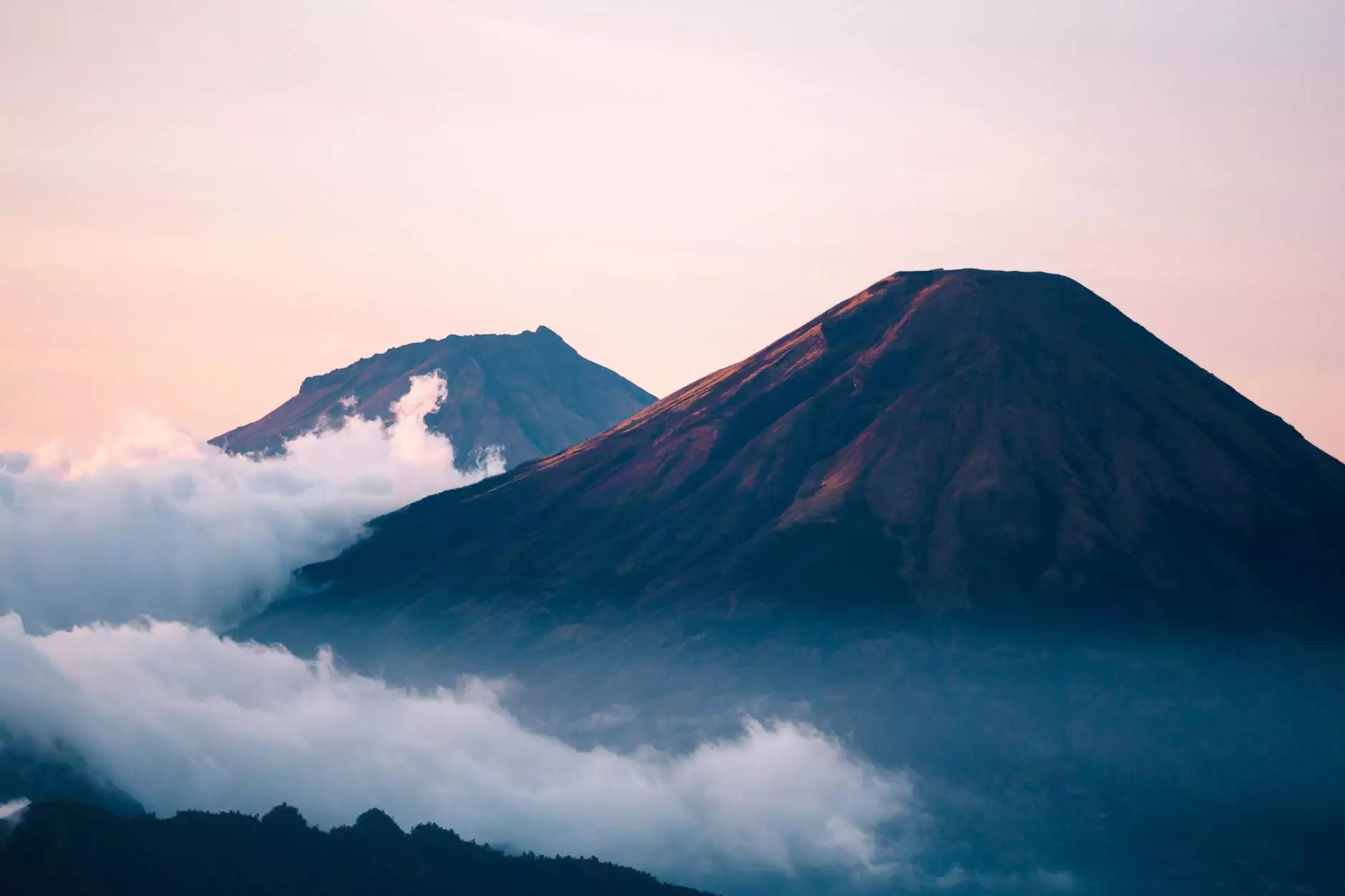
Standing majestically amidst the clouds, the tallest mountain peak on Earth — Mount Everest — has long symbolized human aspiration, exploration, and the spirit of adventure. For decades, mountaineers, travelers, and adventure seekers have been captivated by its daunting presence, challenging climbers to push beyond their limits and inspiring explorers to traverse some of the most rugged terrains on the planet.
This comprehensive guide aims to illuminate the many facets of ascending, exploring, and experiencing the world’s highest summit. From professional guided tours and expert travel agents to the thrill of hiking expeditions, we cover everything you need to know to prepare for your extraordinary journey. Whether you're drawn by the allure of the Himalayas or seeking a once-in-a-lifetime adventure, understanding the intricacies of reaching the tallest mountain peak is crucial to making your expedition successful and safe.
The Significance of the Tallest Mountain Peak in Human Exploration
The tallest mountain peak, Mount Everest, rises an astonishing 8,848.86 meters (29,031.7 feet) above sea level, making it the highest point on Earth. Its significance extends beyond mere altitude; it represents the pinnacle of human endurance, ingenuity, and collaborative effort. From the first successful ascent by Sir Edmund Hillary and Tenzing Norgay in 1953 to modern expeditions pushing new records, Everest has become a symbol of perseverance.
The mountain also plays an essential role in scientific research related to climate change, geology, and high-altitude physiology. Climbers and scientists alike are drawn to Everest for its unique environment, extreme conditions, and breathtaking vistas. As one of the most sought-after tours and hiking destinations, the tallest mountain peak fuels the global adventure tourism industry, supporting local economies and fostering cultural exchanges.
Planning Your Expedition to the tallest mountain peak: Essential Preparation
Choosing the Right Tour and Travel Agency
Opting for a reputable travel agent is pivotal to success and safety when planning your journey to the tallest mountain peak. Experienced agencies like HimalayanDream.team offer comprehensive packages that include permits, guides, acclimatization schedules, and logistical support. Look for agencies with verified credentials, positive client reviews, and proven safety records to ensure your adventure is in capable hands.
Best Time to Visit and Weather Considerations
Choosing the optimal season is crucial. The most popular periods are pre-monsoon (April-May) and post-monsoon (September-October). During these windows, weather conditions are relatively stable, with clearer skies and favorable temperatures. Avoid the harsh winter months (December-February) and monsoon season (June-August), which can be dangerous due to heavy snowfall, avalanches, and unpredictable weather.
Physical and Mental Preparation
Climbing the tallest mountain peak demands exceptional physical fitness. Preparation should commence months ahead with rigorous cardiovascular training, strength conditioning, and specialized high-altitude acclimatization hikes. Mental resilience is equally vital; developing coping strategies for altitude sickness, fatigue, and psychological stress will significantly impact success.
The Essential Elements of an Unforgettable Hiking and Climbing Experience on Everest
Hiking as the Foundation of Everest Expeditions
While technical climbing is necessary at higher altitudes, most expeditions begin with extensive trekking through the Himalayas, often on the iconic Everest Base Camp Trek. This trek covers approximately 130 kilometers over 12-14 days, traversing scenic villages, glacial moraines, and mesmerizing mountain vistas. It allows travelers to acclimate gradually, build stamina, and appreciate the surrounding natural beauty.
- High-altitude trekking prepares you physically and psychologically for the ascent.
- Enables cultural immersion in Sherpa villages and Himalayan communities.
- Offers spectacular views of the tallest mountain peak and surrounding peaks.
Mountaineering: From Base Camp to the Summit
Technical climbing on Everest involves navigating challenging routes like the South Col or the North Face. Key components include:
- Sherpa guides who possess invaluable mountaineering expertise and local knowledge.
- Use of specialized equipment like oxygen tanks, crampons, and ice axes.
- Implementing acclimatization rotations to reduce the risk of altitude sickness.
- Understanding and respecting mountain safety protocols and rescue procedures.
Achieving the summit involves traversing treacherous zones such as the Hillary Step and the Khumbu Icefall, demanding courage, discipline, and teamwork.
Safety and Ethical Considerations for Everest Adventures
Ensuring Safety at Extreme Altitudes
Safety is paramount. Always work with certified guides and reputable agencies, strictly adhere to acclimatization guidelines, and carry essential emergency equipment. Listening to your body's warnings and making prudent decisions can prevent tragedies.
Respecting Local Cultures and Environment
Sustainable tourism practices are crucial to preserve the fragile Himalayan ecosystem. Respect local cultures, avoid littering, and minimize your carbon footprint. Support local Sherpa communities by engaging with authentic local businesses.
Climate Change Impact and Responsible Tourism
The tallest mountain peak faces unprecedented threats from climate change — retreating glaciers, increased natural disasters, and habitat loss. Responsible tourism entails advocating for conservation initiatives, supporting renewable energy projects, and raising awareness about environmental stewardship.
The Future of Himalayan Tours and Hiking Adventures
Advancements in technology, improved safety measures, and increasing awareness are shaping the future of expeditions to the tallest mountain peak. Virtual reality simulations, advanced weather forecasting, and eco-friendly gear are enhancing the overall experience while minimizing environmental impact.
Moreover, guided tours are becoming more inclusive, encouraging a broader demographic to experience this awe-inspiring feat of nature. Companies like HimalayanDream.team are continually innovating to deliver personalized, safe, and unforgettable adventures for all levels.
Why Choose HimalayanDream.team for Your Everest Adventure
- Expertise and Experience: Decades of successful expeditions and deep local knowledge.
- Comprehensive Packages: From permits, gear, guides to acclimatization programs.
- Focus on Safety and Sustainability: Commitment to ethical tourism and environmental conservation.
- Customized Tours: Tailoring your Himalayan journey according to your preferences and skill level.
Conclusion: Embark on Your Journey to the tallest mountain peak
Embarking on an expedition to the world’s tallest mountain peak is a profound adventure that blends physical challenge with cultural discovery and environmental appreciation. With meticulous planning, trusted guidance, and unwavering determination, this journey can transform your perspective and elevate your spirit.
Whether you’re seeking a life-changing trek, an exhilarating climb, or simply wish to experience the sublime beauty of the Himalayas, understanding every facet of this extraordinary pursuit is essential. Partner with credible experts like HimalayanDream.team to turn your dreams into reality and conquer the heights of the tallest mountain peak.
Start Your Himalayan Adventure Today
Visit HimalayanDream.team to learn more about our tailored tours, expert travel support, and hiking adventures designed to help you reach the tallest mountain peak safely and sustainably.


