Unlocking Innovation: The Power of Medical Dataset for Machine Learning in Healthcare
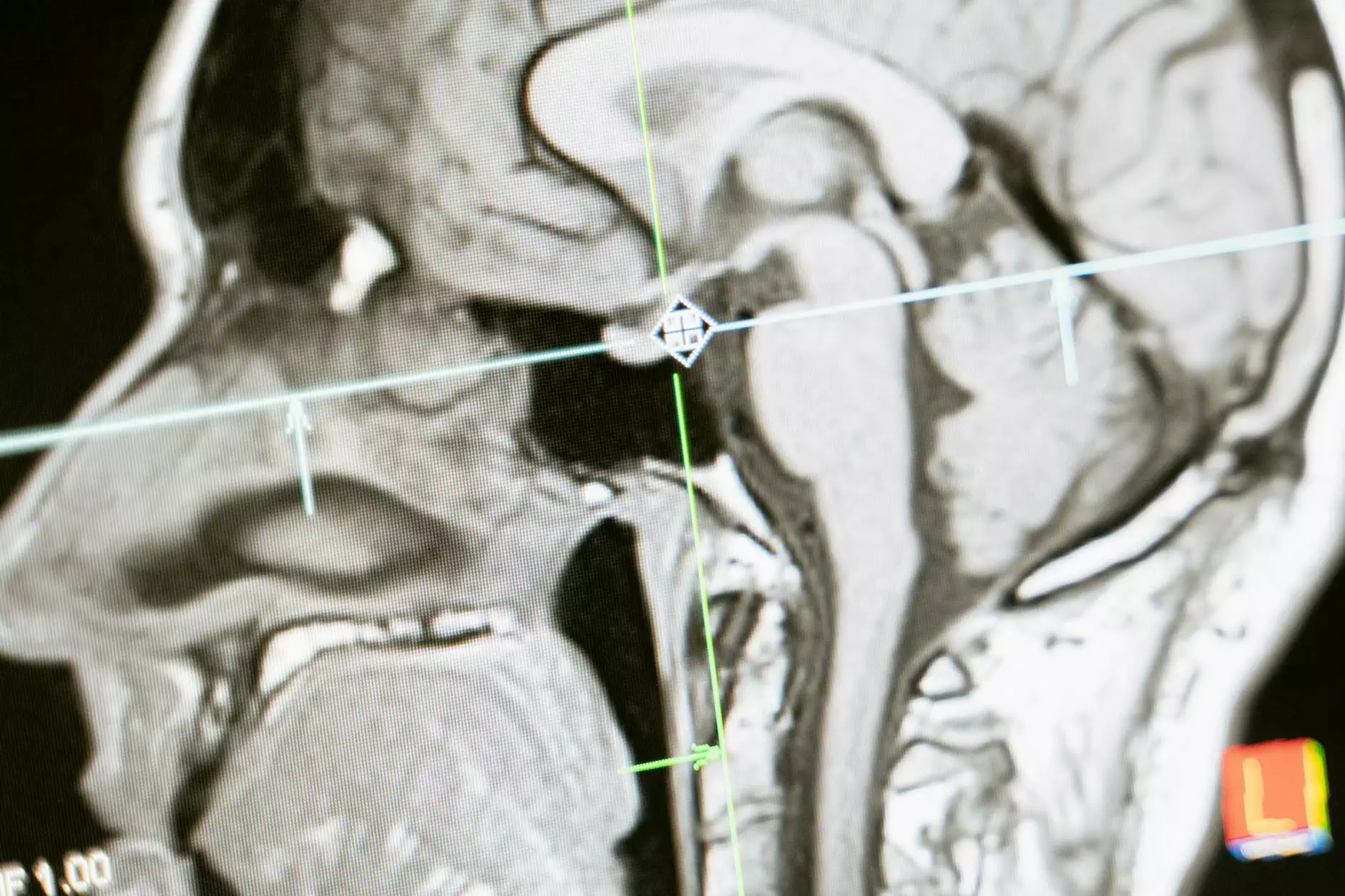
In the rapidly evolving world of healthcare technology, machine learning has emerged as a game-changing force. Central to this revolution is the availability of comprehensive, high-quality medical dataset for machine learning. These datasets serve as the foundation for developing intelligent algorithms capable of diagnosing diseases, predicting patient outcomes, personalizing treatments, and streamlining clinical workflows. At keymakr.com, focusing on software development, we recognize the importance of robust medical datasets in fueling innovation and advancing healthcare solutions.
Understanding the Significance of Medical Datasets in Machine Learning
Medical datasets encompass a vast array of information, including patient records, medical images, genomic data, laboratory results, and more. When harnessed correctly, these datasets enable the training of machine learning models that can improve diagnostic accuracy, automate routine tasks, and identify previously unrecognized patterns. Here are some critical reasons why medical dataset for machine learning is vital:
- Enhanced Diagnostic Precision: Machine learning models trained on diverse datasets can detect subtle patterns in medical images and patient data, leading to earlier diagnosis and improved treatment outcomes.
- Personalized Medicine: Rich datasets containing genetic, environmental, and lifestyle information facilitate personalized approaches to treatment, increasing effectiveness and reducing adverse effects.
- Operational Efficiency: Automated data processing streamlines clinical workflows, reduces administrative burdens, and ensures timely decision-making.
- Research and Innovation: Access to extensive datasets accelerates research, enabling discovery of new disease markers and therapeutic targets.
The Cornerstones of High-Quality Medical Datasets for Machine Learning
Creating and utilizing impactful medical datasets requires meticulous attention to detail. The following are the essential qualities that define a medical dataset for machine learning excellence:
- Data Accuracy: The integrity of the dataset should be maintained with consistent, verified data entries, minimizing errors to prevent biases in model training.
- Data Diversity: Inclusion of varied patient demographics, medical conditions, and imaging types ensures models are robust and generalizable.
- Data Standardization: Uniform formatting, coding systems (like ICD, SNOMED), and annotation practices make datasets more accessible and integrable.
- Data Privacy and Security: Adherence to HIPAA and GDPR regulations protects patient confidentiality while enabling data sharing for collaborative research.
- Comprehensive Labeling: Precise annotations, especially within imaging and pathology datasets, bolster supervised learning processes.
Sources and Acquisition of Medical Datasets for Machine Learning
Developing effective medical dataset for machine learning involves sourcing data from multiple avenues, including:
- Public Repositories: Open-source platforms such as PhysioNet, TCIA (The Cancer Imaging Archive), and MIMIC offer valuable datasets for research purposes.
- Collaborations with Healthcare Institutions: Partnering with hospitals and clinics allows access to real-world data, vital for training clinically relevant models.
- Data Generation and Augmentation: Synthetic data generation techniques, such as GANs (Generative Adversarial Networks), can supplement existing datasets, especially in rare disease scenarios.
- Commercial Data Providers: Companies specializing in medical data collection and curation provide curated, compliant datasets tailored for machine learning applications.
Challenges in Building and Utilizing Medical Datasets for Machine Learning
Despite their potential, there are notable challenges and considerations:
- Data Privacy and Ethical Concerns: Balancing patient confidentiality with the need for large datasets requires robust anonymization and consent processes.
- Data Heterogeneity: Variability in data collection protocols across institutions complicates integration and analysis.
- Bias and Fairness: Datasets that lack diversity can lead to biased algorithms, perpetuating healthcare disparities.
- Data Quality and Completeness: Missing data, noise, and inaccuracies can undermine model performance.
Transforming Healthcare with Advanced Software Development
At keymakr.com, we specialize in software development tailored to harness the full potential of medical dataset for machine learning. Our innovative solutions include:
- Data Processing Pipelines: Automated tools for data cleaning, annotation, and standardization.
- Secure Data Storage: Cloud-based platforms that ensure compliance with privacy regulations while facilitating easy access and sharing.
- Custom Machine Learning Models: Development of algorithms specifically designed to address unique clinical problems using curated datasets.
- Visualization and Reporting Tools: User-friendly dashboards that make complex insights accessible to clinicians and researchers.
Future Trends in Medical Datasets and Machine Learning
The trajectory of medical dataset for machine learning points toward increasingly sophisticated and integrated systems:
- Integration of Multi-Modal Data: Combining imaging, genetic, and clinical data for comprehensive AI models.
- Real-Time Data Utilization: Wearable devices and IoT enable continuous data collection, supporting dynamic health monitoring.
- Federated Learning: Collaborative model training across institutions without sharing raw data, enhancing privacy.
- Enhanced Data Privacy Technologies: Advanced encryption and differential privacy methods to secure sensitive information.
The Role of Keymakr in Advancing Medical Dataset Utilization for Machine Learning
At keymakr.com, our commitment centers around empowering startups, research institutions, and healthcare providers with top-tier software development solutions aimed at maximizing the utility of medical datasets for machine learning. Our expertise encompasses:
- Comprehensive Data Curation: Ensuring datasets are rich, accurate, and compliant with healthcare standards.
- Custom Tool Development: Building tailored AI and machine learning tools that fit specific clinical and research needs.
- Data Security Protocols: Implementing cutting-edge security measures to protect sensitive healthcare information.
- Consultation and Strategy: Guiding organizations through data collection, ethical considerations, and model deployment processes.
Conclusion: The Future of Healthcare Powered by Medical Datasets for Machine Learning
Medical dataset for machine learning is undeniably a cornerstone of modern healthcare innovation. As datasets grow in volume, quality, and diversity, they unlock unprecedented opportunities to transform patient care, streamline operations, and accelerate discoveries. Companies like keymakr.com are at the forefront of developing the software solutions necessary to harness this potential fully. Embracing robust data strategies today sets the stage for a healthier, smarter future where AI-driven healthcare becomes the norm.
Investing in quality datasets and advanced software development unlocks a world of possibilities—reducing costs, improving outcomes, and ultimately saving lives.