Understanding the Cost for Fibroid Removal and Your Path to Better Women’s Health
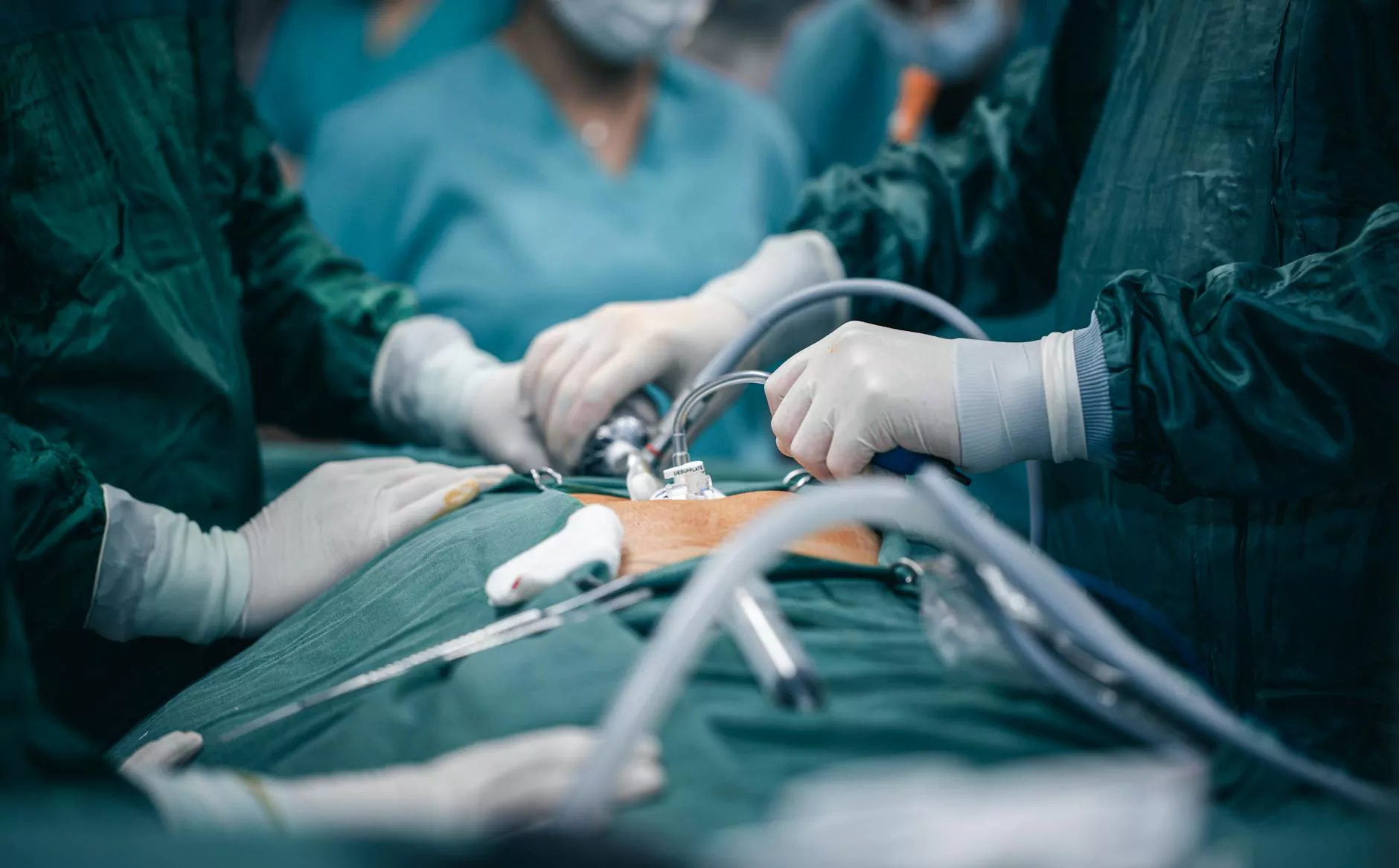
Uterine fibroids are a common health concern affecting millions of women worldwide. Often asymptomatic, these benign tumors can sometimes lead to significant symptoms such as heavy menstrual bleeding, pelvic pressure, and fertility issues. For women experiencing discomfort or facing fertility challenges, fibroid removal becomes an essential treatment option. A common question in this context is: what is the cost for fibroid removal? In this comprehensive guide, we will delve into all aspects of fibroid treatment, including detailed insights into associated costs, available treatment options, factors influencing pricing, and how to choose the right specialists to ensure favorable health outcomes.
What Are Uterine Fibroids and Why Do They Require Treatment?
Uterine fibroids, also known as leiomyomas or myomas, are noncancerous growths that develop within or on the muscular wall of the uterus. They vary in size, number, and location, which significantly influences symptoms and treatment strategies. Common symptoms include:
- Heavy or prolonged menstrual bleeding
- Pelvic pain or pressure
- Frequent urination
- Backache
- Fertility or pregnancy complications
While some women find fibroids incidental and asymptomatic, others experience life-impacting symptoms that necessitate intervention. The goal of fibroid treatment is to relieve symptoms, preserve fertility if desired, and improve overall quality of life.
Primary Treatments for Fibroids: Focus on Removal Procedures
Several treatment options are available depending on fibroid size, location, symptoms, and patient preferences. These include medications, minimally invasive procedures, and surgical interventions. Among these, fibroid removal—also called myomectomy—is typically preferred for women wishing to retain their uterus or improve fertility prospects.
Types of Fibroid Removal Procedures:
- Hysteroscopic Myomectomy: Removing fibroids via the cervix using a hysteroscope, suitable for submucosal fibroids
- Laparoscopic Myomectomy: Minimally invasive surgery using small incisions and specialized instruments
- Open Myomectomy: Traditional abdominal surgery, necessary for large or multiple fibroids
- Uterine Artery Embolization (UAE): A non-surgical option blocking blood supply to fibroids
- Magnetic Resonance-Guided Focused Ultrasound (MRgFUS): Innovative non-invasive technique targeting fibroid tissue
Choosing the appropriate procedure depends critically on the fibroid characteristics, patient health, and, importantly, the expertise of the healthcare provider.
Understanding the Cost for Fibroid Removal: Factors That Influence Pricing
The cost for fibroid removal can vary significantly based on numerous factors. Being aware of these helps women make informed decisions and plan financially for their health journey. Here are the key elements that influence the overall cost:
1. Type of Procedure
Different surgical and non-surgical approaches have varying costs. For example, minimally invasive techniques like hysteroscopic or laparoscopic myomectomy tend to be more cost-effective than open surgery but still vary based on complexity.
2. Fibroid Size and Number
Multiple or larger fibroids generally increase operative time and complexity, thereby increasing costs associated with anesthesia, hospitalization, and surgical supplies.
3. Location and Facility Type
Costs differ between academic hospitals, private clinics, and specialized women's health centers. Accredited, high-volume centers with experienced surgeons may have higher fees but can provide better outcomes and lower complication rates.
4. Geographic Region
Healthcare costs are influenced by regional economic factors, including cost of living, local healthcare regulations, and insurance coverage policies.
5. Surgeon's Experience and Expertise
Surgeons with extensive experience and specialization in obstetrics and gynecology, particularly in minimally invasive techniques, may charge higher fees but often deliver superior results.
6. Additional Costs
These include preoperative assessments, diagnostic imaging, anesthesia, postoperative care, medications, and follow-up visits.
Estimated Price Range for Fibroid Removal Procedures
Based on current industry data and regional variations, the approximate costs are as follows:
- Hysteroscopic Myomectomy: $3,000 – $8,000
- Laparoscopic Myomectomy: $6,000 – $15,000
- Open Myomectomy: $10,000 – $20,000
- Uterine Artery Embolization: $3,000 – $8,000
- Magnetic Resonance-Guided Focused Ultrasound: $5,000 – $15,000
It is crucial to consult with your healthcare provider for personalized estimates, as actual costs may vary based on individual circumstances.
Why Investing in Expert Obstetricians & Gynecologists Matters
Choosing highly qualified and experienced obstetricians and gynecologists, like those at drseckin.com, ensures that you receive top-tier care. Expert surgeons are better equipped to handle complex cases, minimize complications, and optimize post-surgical recovery. Their deep understanding of the latest techniques can also reduce hospital stay durations and associated costs.
Financial Considerations and Insurance Coverage
Many insurance policies cover at least part of the cost for fibroid removal, especially if symptoms significantly impact daily life. It is advisable to:
- Review your insurance policy for approved procedures and coverage limits
- Consult the billing department of your chosen healthcare provider to understand out-of-pocket expenses
- Explore payment plans and financing options to ease financial burden
Early consultation and pre-authorization can prevent unexpected expenses and facilitate smoother treatment planning.
How to Prepare Financially and Make the Right Choice
Proper preparation ensures you make a well-informed decision without undue financial stress. Here are practical steps:
- Research thoroughly: Gather information about the procedures, costs, and provider credentials.
- Get multiple quotes: Consult different clinics or hospitals to compare pricing and services offered.
- Discuss payment options: Ask about financing, installment payments, or discounts for upfront payments.
- Prioritize quality and safety: Opt for accredited facilities with positive patient reviews to ensure safe and effective treatment.
- Plan financial logistics: Budget for preoperative tests, surgery, post-op care, and unexpected expenses.
Conclusion: Making an Informed Decision for Your Health
Understanding the cost for fibroid removal is a critical step in your journey towards better health and well-being. It's important to consider not just the price but the overall quality of care, surgeon expertise, and treatment options available. Remember that investing in experienced obstetricians and gynecologists, especially from reputed centers like drseckin.com, can significantly influence your health outcomes, recovery time, and long-term satisfaction.
Always prioritize comprehensive consultation, ask detailed questions about procedures and costs, and choose a treatment plan tailored to your unique medical needs. Your health and comfort should always come first, and with the right information and expert care, you can make confident, informed decisions on your path to recovery and pristine women’s health.